📞 832-748-5966

The Restoration Attics
  • Home
  • About
  • Services
    • Services
    • Pest Control
    • Wildlife Removal
    • Attic Restoration
    • Commercial Services
  • Contact Us
  • Reviews
  • Resources
    • Blog
    • FAQ
    • Media
  • More
    • Home
    • About
    • Services
      • Services
      • Pest Control
      • Wildlife Removal
      • Attic Restoration
      • Commercial Services
    • Contact Us
    • Reviews
    • Resources
      • Blog
      • FAQ
      • Media

📞 832-748-5966


  • Home
  • About
  • Services
    • Services
    • Pest Control
    • Wildlife Removal
    • Attic Restoration
    • Commercial Services
  • Contact Us
  • Reviews
  • Resources
    • Blog
    • FAQ
    • Media

Bat Removal in Houston, TX

Bats in Your Attic? Find Out How They’re Getting In.


Bats can enter attics and roofline spaces through small gaps and openings around vents, soffits, fascia, and other vulnerable areas of a home. Our Houston bat removal service identifies bat activity and entry points, determines the appropriate exclusion method, and seals identified openings to help prevent re-entry.

Schedule Your Free Wildlife Inspection

Bat Inspection

Identify bat activity, roosting areas, entry points, and signs of bats around the structure.

Bat Exclusion

Use the appropriate exclusion method to allow bats to leave the structure while preventing re-entry.

Entry-Point Sealing

Seal identified bat openings after exclusion is complete to help prevent future access.
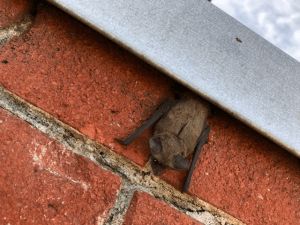
How Bats Get Into Your Attic

Bats don’t need a large opening to get inside.


Bats can squeeze through surprisingly small gaps and cracks around a home. Common access points include roof edges, soffits, fascia gaps, ridge vents, attic vents, and other openings where building materials meet. Unlike squirrels, bats typically take advantage of existing gaps rather than chewing their way inside.

Roofline Gaps & Eaves

Small openings where roofing, fascia, and eaves meet can provide bats with access to attic spaces.

Attic & Ridge Vents

Loose, damaged, or improperly screened vents can create openings bats may use to enter and exit the structure.

Soffits & Structural Gaps

Narrow cracks around soffits, siding, and other building transitions can provide access to sheltered roosting areas.

The Real Problems Bats Can Leave Behind

Bat Colonies in Attics

Bat Guano & Attic Contamination

Bat Guano & Attic Contamination

Bats may establish roosting colonies inside attics, soffits, wall spaces, and other sheltered areas of a home. Identifying where bats are roosting and entering is an important part of professional bat removal.

Bat Guano & Attic Contamination

Bat Guano & Attic Contamination

Bat Guano & Attic Contamination

Bats roosting in an attic can leave behind accumulations of bat guano and urine, contaminating insulation and affected attic areas and creating persistent odors.

Bat Entry Points & Re-Entry

Bat Guano & Attic Contamination

Bat Entry Points & Re-Entry

Bats can access attics through small roofline gaps, soffits, vents, fascia openings, and other structural entry points. A complete bat exclusion addresses identified openings to help prevent bats from re-entering the structure.

Signs of Bats in Your Attic

Bat Droppings Near Entry Points

Bat Droppings Near Entry Points

Bat Droppings Near Entry Points

Small, dark droppings known as guano may collect below bat roosting areas, along rooflines, or inside the attic.

Bats Flying Around the Roofline

Bat Droppings Near Entry Points

Bat Droppings Near Entry Points

Seeing bats repeatedly entering or exiting the same area around your roof, soffits, vents, or eaves around dusk can indicate a bat roost inside the structure.

Noises in Walls or Attic

Bat Droppings Near Entry Points

Noises in Walls or Attic

Light scratching, squeaking, or fluttering sounds coming from the attic, walls, or roofline may indicate bats are roosting inside.

Our Bat Removal & Exclusion Process

1. Inspect & Identify

Locate bat activity, roosting areas, primary entry points, and other vulnerable openings around the structure.

2. Seal Secondary Entry Points

Seal identified secondary openings so bats cannot simply move to another accessible area of the structure.

3. Install Bat Valves

Install one-way bat exclusion valves at active exit points, allowing bats to leave the structure while preventing them from getting back inside.

4. Monitor Bat Activity

Monitor the property and exclusion points to confirm bats have exited and activity has stopped.

5. Remove Valves & Complete Final Sealing

Once bat activity has cleared, remove the bat valves and permanently seal the remaining entry points to help prevent re-entry.

Bat Exclusion Timing Matters

Bat exclusion must be performed at the appropriate time of year. Texas restricts certain bat exclusion activities during maternity season when young bats may not yet be able to fly. Our team evaluates bat activity and timing before beginning the exclusion process.

We Don’t Guess. We Monitor.

Camera monitoring helps our team track bat activity around identified entry and exit points, monitor movement, and confirm activity before completing the final exclusion work.

Schedule a Free Inspection

Bat Removal FAQs

Please reach us at info@restorationattics.com if you cannot find an answer to your question.

Common signs include bats entering or exiting around dusk, guano near entry points or below roosting areas, and scratching, squeaking, or fluttering sounds coming from the attic or walls


Bats can enter through small gaps around rooflines, soffits, fascia, vents, eaves, flashing, and other openings where building materials meet.


Bat exclusion typically involves identifying active entry and exit points, sealing secondary openings, and installing one-way bat valves that allow bats to leave but prevent them from getting back inside. Once activity has cleared, the valves are removed and the remaining openings are sealed.


A bat exclusion valve is a one-way device installed over an active bat exit point. It allows bats to exit the structure while preventing them from re-entering through that opening.


Large accumulations of bat guano should be handled carefully. Disturbing contaminated material can potentially expose people to airborne fungal spores associated with histoplasmosis, which is why proper assessment and cleanup procedures are important.


Bat removal costs vary depending on the size of the structure, number of entry points, extent of the colony or activity, exclusion work required, and whether attic cleanup is needed. We provide a free wildlife inspection to evaluate the property before recommending the appropriate service.


Seeing Bats Flying Around Your House?

If bats are repeatedly flying near your roof, attic vents, or around the top of your home, they may be entering the structure. Our team can identify where they’re getting in and determine the appropriate bat exclusion process.

Schedule a Free Wildlife Inspection

Copyright © 2026 The Restoration Attics Wildlife & Pest - All Rights Reserved.

  • About
  • Contact Us
  • Privacy Policy
  • Media

This website uses cookies.

We use cookies to analyze website traffic and optimize your website experience. By accepting our use of cookies, your data will be aggregated with all other user data.

DeclineAccept